
Understanding the Aoraki Mackenzie Dark Sky Reserve
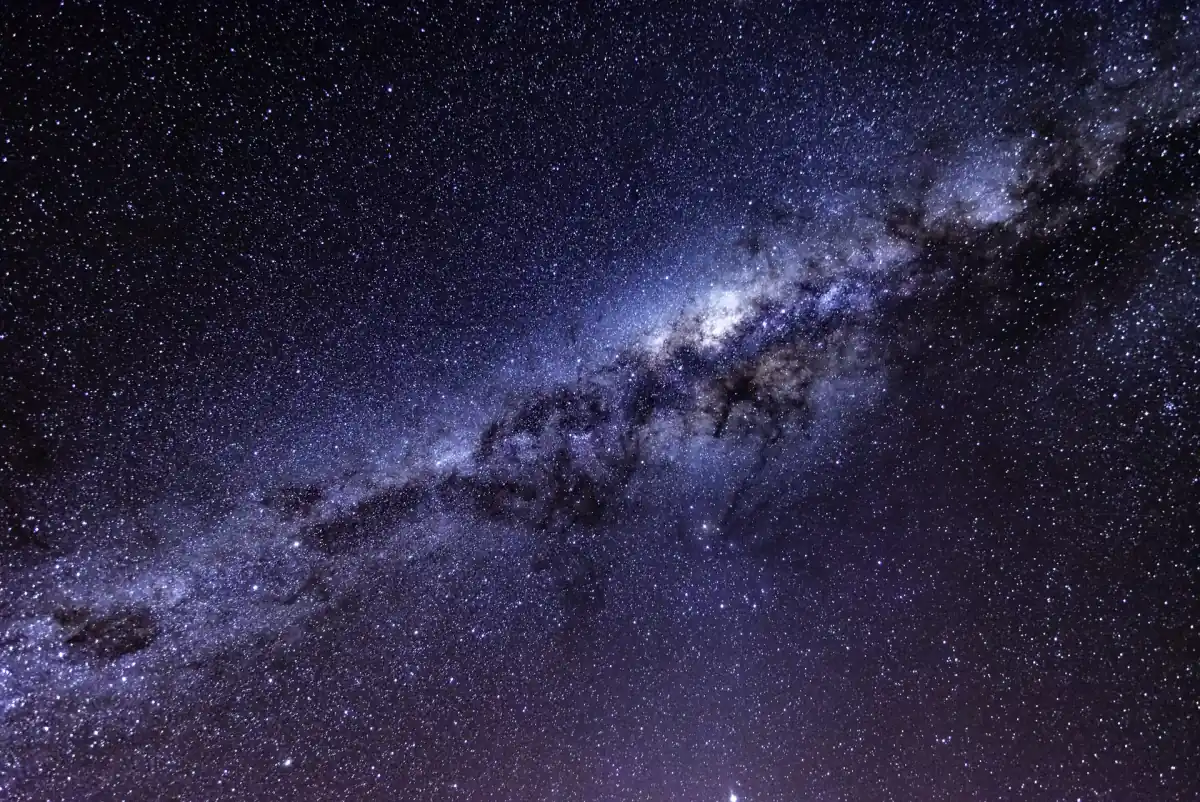
The Aoraki Mackenzie Dark Sky Reserve covers a landscape much larger than the Mount John summit. DarkSky International records its designation in 2012 and an area of 4,367 km² in its entry updated on 29 January 2025. The reserve includes the Mackenzie Basin and Aoraki/Mount Cook National Park. Its purpose is to protect the natural night sky from light pollution while supporting astronomy, education and visits centred on the stars.
This is an international dark-sky certification, rather than a separate state national park or a UNESCO designation. For visitors, that distinction has a practical consequence: choose an observation venue and its access arrangements. The reserve name alone gives no right to enter private land or research buildings. Start with the Mount John overview if deciding between a daytime summit visit, a walk and an evening of astronomy.
Research and history at Mount John
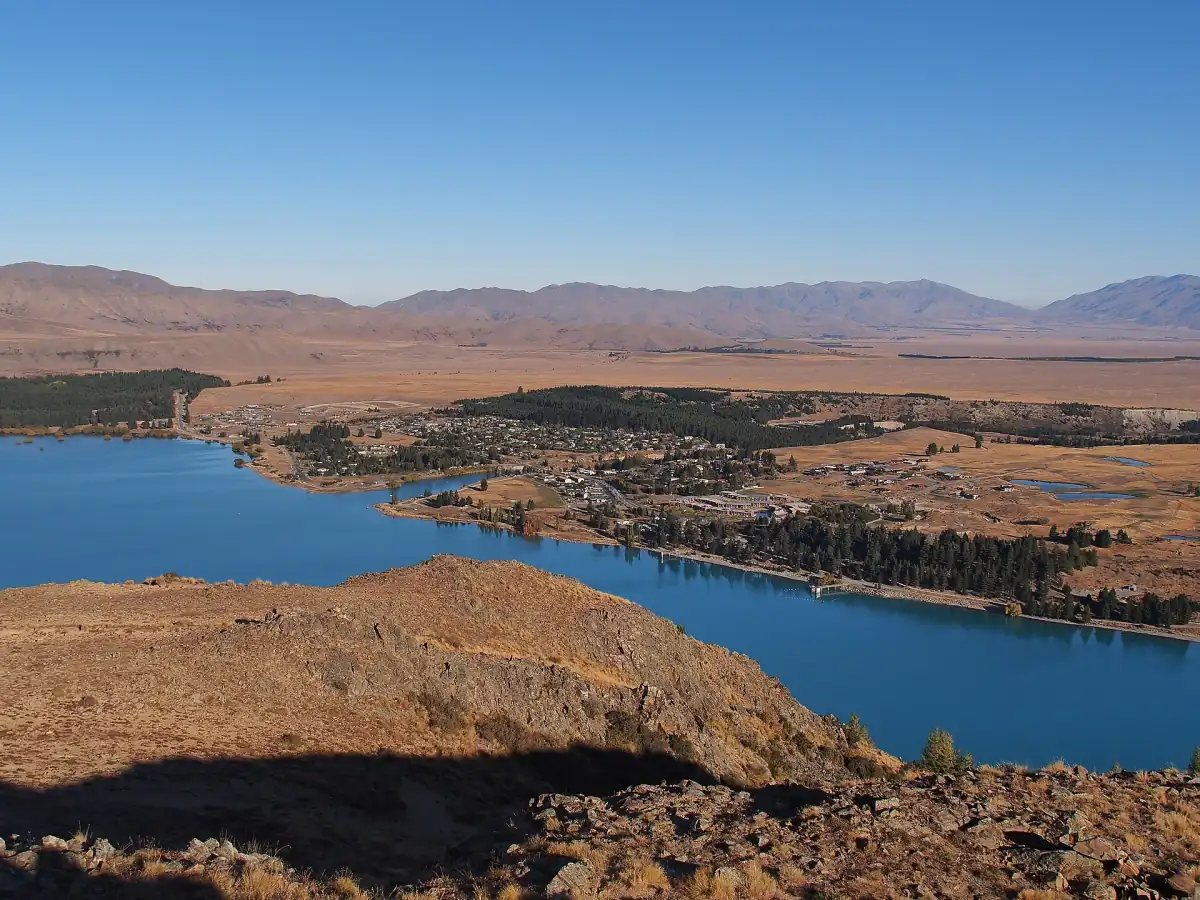
Mount John is an astronomical field station of the University of Canterbury, near Lake Takapō/Tekapo in South Canterbury. Its role brings research, teaching and international collaboration together. University research includes magnetic stars, exoplanets, comets, near-Earth asteroids and sky surveys. Collaboration with Osaka University through the MOA programme is part of this scientific work. The domes therefore belong to a working research setting, with a purpose beyond the visitor experience.
The university describes four research telescopes. These instruments should be understood as research facilities rather than equipment promised to every visitor. During a daytime visit, the telescope buildings are closed to the public; accessible summit areas provide a different experience from entering those buildings. The observatory tour comparison explains the summit evening and the Mandarin daytime tour. An astronomy guide and visitor observations do not turn either booking into general access to the research station.
See the reserve sky at Cowan
A guided visit to Cowan offers observation craters and return transport for experiencing the reserve sky.
Hand-picked tours, booked through GetYourGuide. Prices are indicative starting prices in US dollars (as of October 2026). Tap a tour for live availability and the current price in your currency.
An evening at Cowan
Observe the reserve sky at Cowan with an astronomy guide and return transport from the Tekapo base, away from Mount John.
Seeing the reserve sky at Cowan
The guided observation experience at Cowan takes place away from Mount John. It combines astronomy commentary, purpose-built observation craters and return transport from the Tekapo base. This is a way to spend an evening under the reserve sky without choosing the Mount John summit. Cowan is the observation location; its name does not mean the booking is a private tour. Keep that geographical distinction in mind when matching an evening to a daytime visit.
Moonlight, cloud and the time of the observation affect what can be seen. A dark-sky designation protects the setting from artificial light; cloud and the visibility of particular celestial objects remain separate factors. Allow an evening to be an encounter with the conditions on the night. For other venues and different arrival arrangements, use the Lake Tekapo stargazing comparison, which keeps those observation sites separate from the summit.
Māori star knowledge in context
DarkSky International describes the importance of the night sky to Māori navigation, star knowledge and everyday life. That provides a cultural context for understanding why a protected sky matters beyond modern telescopes. It is an introduction rather than a single account speaking for every iwi. Let place-specific interpretation and the knowledge shared by guides provide the detail, without treating all Māori traditions as interchangeable.
The reserve can therefore be approached through both scientific questions and cultural understanding. A visitor might be interested in how a research telescope studies distant objects, or how people have used the sky to orient themselves and understand their surroundings. Those interests can sit alongside each other without turning a general astronomy evening into a promised cultural programme. Choose the actual content of the experience rather than relying on the reserve label.
Light rules and access rights
DarkSky International traces local outdoor-lighting controls to the early 1980s, including protection of observations at Mount John. As a visitor, support that purpose by following the guide’s instructions for lights and camera displays. Keep flash switched off during tour photography. Screen use needs particular care, so ask the guide how to handle a camera or phone before lighting it up around the observation group.
Public summit evenings use organised tour transport. For daytime road access, weather and the published road arrangements matter separately; the arrival guide explains that final stage. Warm clothing and sturdy footwear remain useful even in summer, with uneven ground and low lighting during evening visits. Read the weather outlook before travelling rather than treating reserve status as a forecast.
Aoraki/Mount Cook within the wider landscape
Aoraki/Mount Cook National Park forms part of the certified reserve, but a Mount John visit and a journey to Aoraki/Mount Cook are separate itinerary choices. Use the mountain guide for that destination. Here the focus remains the research station, permitted summit access and the surrounding dark sky, so the reserve’s broad boundary does not become a claim that one tour visits all of it.
Frequently asked questions
Does the reserve include Mount John research buildings?
The reserve surrounds a working scientific landscape. Daytime visitors use permitted public summit areas; research telescope buildings are closed to them.
Is the Cowan experience on Mount John?
Cowan is a separate observation location, with a guided evening and return transport from the Tekapo base.
Does dark-sky certification guarantee clear skies?
Cloud, moonlight and the time of observation still shape each evening. The certification addresses protection from light pollution.