
Planning Mount John photography around your visit
Mount John photography brings together two different interests: recording the landscape and spending time under a dark sky. Plan the visit before choosing a picture you hope to take. The public summit areas have access arrangements, the research buildings are closed to day visitors, and public evening visits use tour transport. A camera does not change those arrangements. Decide whether you want a daytime view or an astronomy evening, then fit photography into the permitted visit rather than treating the whole mountain as an open night location.
The Mount John tour guide distinguishes the summit experiences from other astronomy activities around Tekapo. That location distinction matters just as much for photographs as for telescope viewing. A night-sky image included in a Tekapo activity does not establish a visit to Mount John. For your own daytime movements, consult the access and arrival guide. Keep the road journey, the allowed visiting period and the actual activity separate when deciding what equipment to carry.
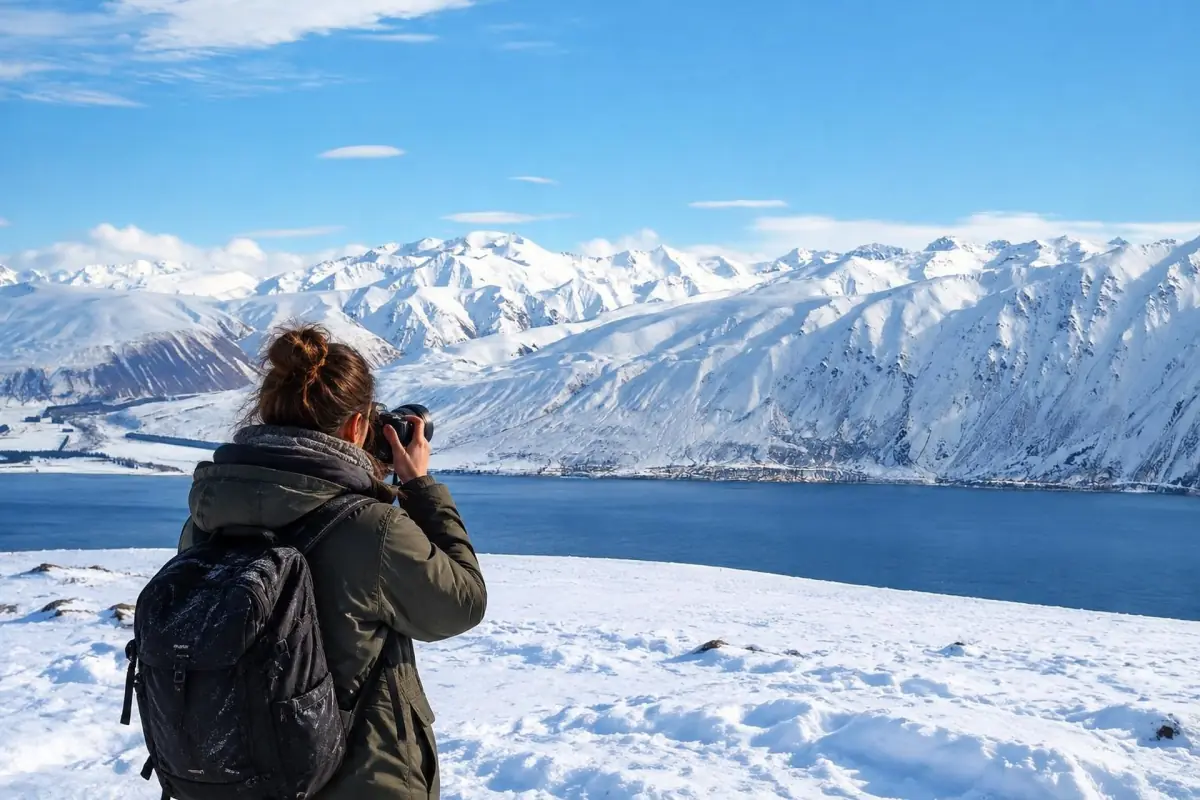
Taking your own photographs or receiving a souvenir
Taking photographs during a visit and receiving a picture as part of a booking are different services. The regional-park stargazing experience featured here includes an edited photograph with a night-sky background. It is an astronomy outing with English-language commentary, an astronomy guide and telescope use. The programme also includes a chair, fleece blanket and hot chocolate. The photograph gives you a souvenir of that experience; the product is not a photography course or a Mount John summit visit.
The observing location is in Takapō Regional Park, and you make your own way there because a shuttle is not included. Arrange the journey to that location independently of any summit plans. An edited image with a night-sky background should be understood as the included edited souvenir, rather than as a promise of an untouched Milky Way exposure made during your visit. If your priority is learning to operate a camera, do not substitute this photo inclusion for instruction. Choose the activity for its astronomy content and its stated inclusions.
A night-sky souvenir photo
The regional park session includes an edited photo with a night sky background.
Hand-picked tours, booked through GetYourGuide. Prices are indicative starting prices in US dollars (as of October 2026). Tap a tour for live availability and the current price in your currency.
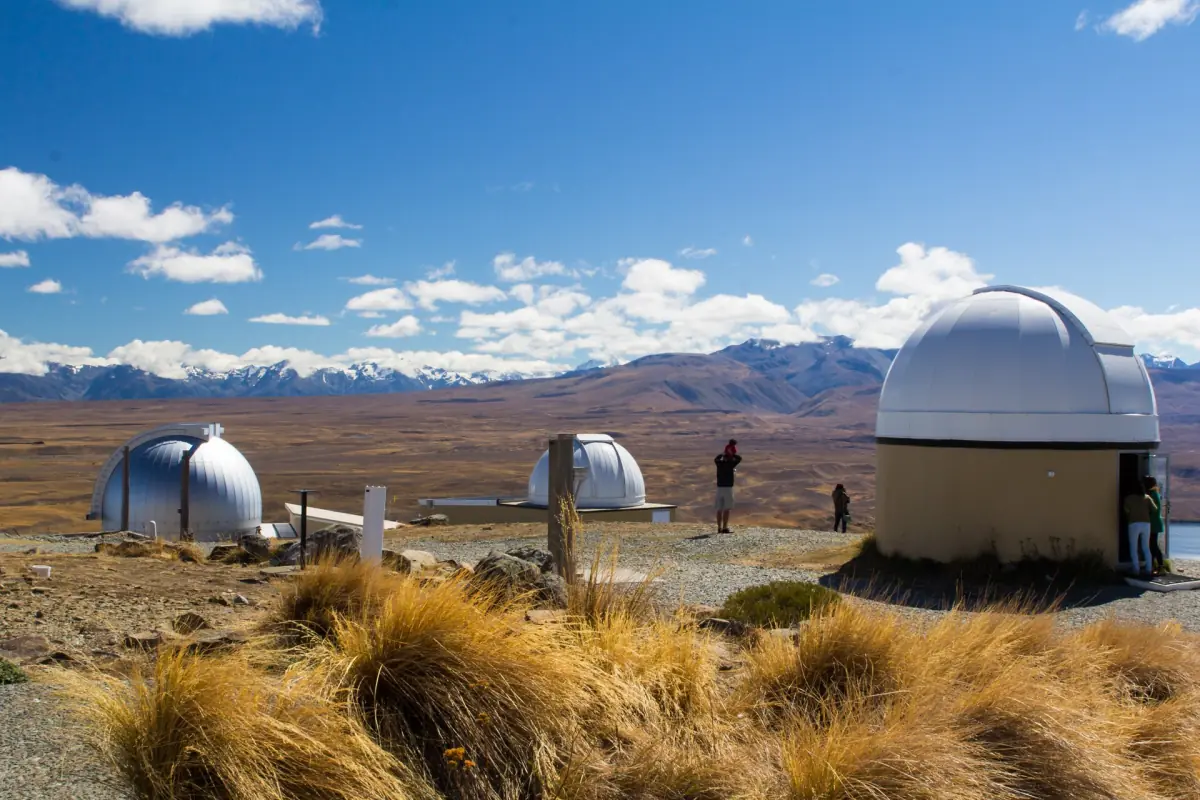
Regional-park stargazing with an edited souvenir photo
Travel independently to Takapō Regional Park for English-language astronomy and an edited photograph with a night-sky background, away from Mount John.
Milky Way, moon and cloud
The dark-sky setting is part of the appeal, but the weather, moon and time of the visit influence what can be observed. An illustration of the Milky Way describes a photographic subject, not the sky you will necessarily find on arrival. Keep a hoped-for composition separate from the decision to take part in the evening. There is no useful promise that a particular departure will reveal the same stars, the same sky background or the same conditions as an image used to introduce the activity.
Cloud and moonlight need to be considered together. Choosing a date around one of them does not remove the other, and regional climate descriptions do not provide a forecast for your exposure. The timing and weather guide explains the inland climate and the role of seasonal cold. Before travelling, consult MetService warnings and the NZTA road situation. These checks support the journey and the visit; they do not turn a photograph of a clear sky into a visibility guarantee.
Light protection and camera displays
Protecting darkness is central to observing here. Local exterior-light controls developed to protect the night sky and the work of the observatory. During a guided evening, keep the flash off and follow the guide’s instructions about lights. Permission to take a photograph should not be read as unrestricted permission to illuminate a phone or camera display. Display use needs specific attention, so discuss how your device can be used before turning on a bright screen near people observing the sky.
The practical aim is to let photography fit into the shared activity. Keep illuminated or flashing clothing out of the evening kit, and carry warm layers and sturdy shoes for low light and uneven ground. Even in summer, cold and wind can affect comfort while standing outside. Organise your equipment so that using it does not depend on repeatedly introducing light into the group. Follow the instructions given on site rather than relying on a general camera rule to settle every question about screens and lighting.
Occasional Aurora Australis and access boundaries
The Aurora Australis is an occasional possibility, not a regular included sight or a reason to expect a particular season to deliver a photograph. Darkness and suitable sky and light conditions matter. A short-term aurora forecast describes predicted activity and location, not a guaranteed view from Mount John. Make the evening worthwhile for its astronomy programme and setting, with any aurora treated as an extra possibility. Neither a telescope booking nor an edited souvenir photo promises the Southern Lights.
The dark-sky reserve designation does not create access rights across private land or closed summit areas. Do not treat the search for a darker composition as permission to leave the agreed visiting area. Drone use requires separate attention to land permissions and aviation rules; a photographic purpose is not a launch authorisation. Keep your plans within the actual visit and arrange the return to your overnight base before the evening, particularly if you are staying outside Tekapo.
Questions about your visit
Is the included photo a photography lesson?
The featured activity includes an edited souvenir photograph with a night-sky background. It is an astronomy experience rather than a photography course.
Can I use my camera screen freely during a tour?
Keep the flash off and follow the guide’s instructions about screens and light. Ask about your device before illuminating it near the group.
Will I photograph the Southern Lights?
Aurora Australis is only an occasional possibility and is never guaranteed. Sky and light conditions affect any view.